As I visit this site, I certify that I am of legal age to consume alcohol in my country of residence.
I am over 18 years old
1650 Results
The winemaking process
Vinification is quite simply the transformation of grapes into wine. Fermentation triggered by yeasts is central to this process in which the natural sugar of the grapes is transformed into alcohol. Carbon dioxide is given off during this transformation, and the temperature increases. Vinification is also an essential process in which colour, aromas and tannins…
Blending
Blending is a key step in the production of a great wine, the crucial step in winemaking. The one where the typicality of a wine is decided, the consistency of its quality, elegance and balance. It is a question of bringing each facet of the vineyard to life together, according to the diversity of the soils,…
Initial colour change
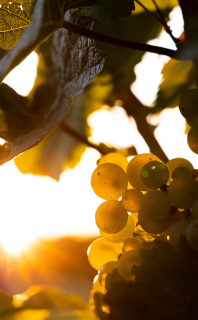
When the grapes start to change colour, the ripening period begins. New colour becomes clear, evolving from green to bright red and then to purple, while the acid content decreases and sugar increases. The grapes’ tannins change, eventually giving body to the wine. The winegrowers’ interventions are important at this point. They must eliminate grapes…
Fruit setting
Fruit setting is the wonderful step in which the scented flowers transform into flavoursome bunches, capturing the extraordinary vitality of the grapes. This stage occurs after flowering at the start of the summer. At this point, the grapes are as big as pepper grains. They slowly gain in concentration and grow until the point at…
Bottling
Bottling is a very technical step: expansion chamber, cork quality, label, back label... This step is carried out at the end of the cycle, after maturation. Wine moves on to another life.
Harvest
This period is the much awaited moment for picking the grapes. It can vary depending on the weather and conditions of cultivation, such as the grape variety, the latitude of the vines and their orientation. For the harvest to take place, the grapes need to be at the desired stage of oenological ripeness. A ripe…
Pruning the vines
From mid-November onwards, the leaves start to fall and the vines become dormant. At this point, pruning the vines is an important operation to obtain balanced growth of grapes the following year. The objective of the operation is threefold: To impart shape to the trunk and limit growth in length. To restrict the number…
Flowering
Budding heralds the end of winter dormancy and announces the arrival of spring. The buds open and nature awakens. De-suckering is an important step to remove non-fruit-bearing shoots, thereby encouraging the strong growth of canes that bear the grapes. Next comes flowering. Small white flowers appear. Each bunch contains between 100 and 200. Good flowering…